What College Flag Football Coaches Look For in Recruits
Aug 26, 2026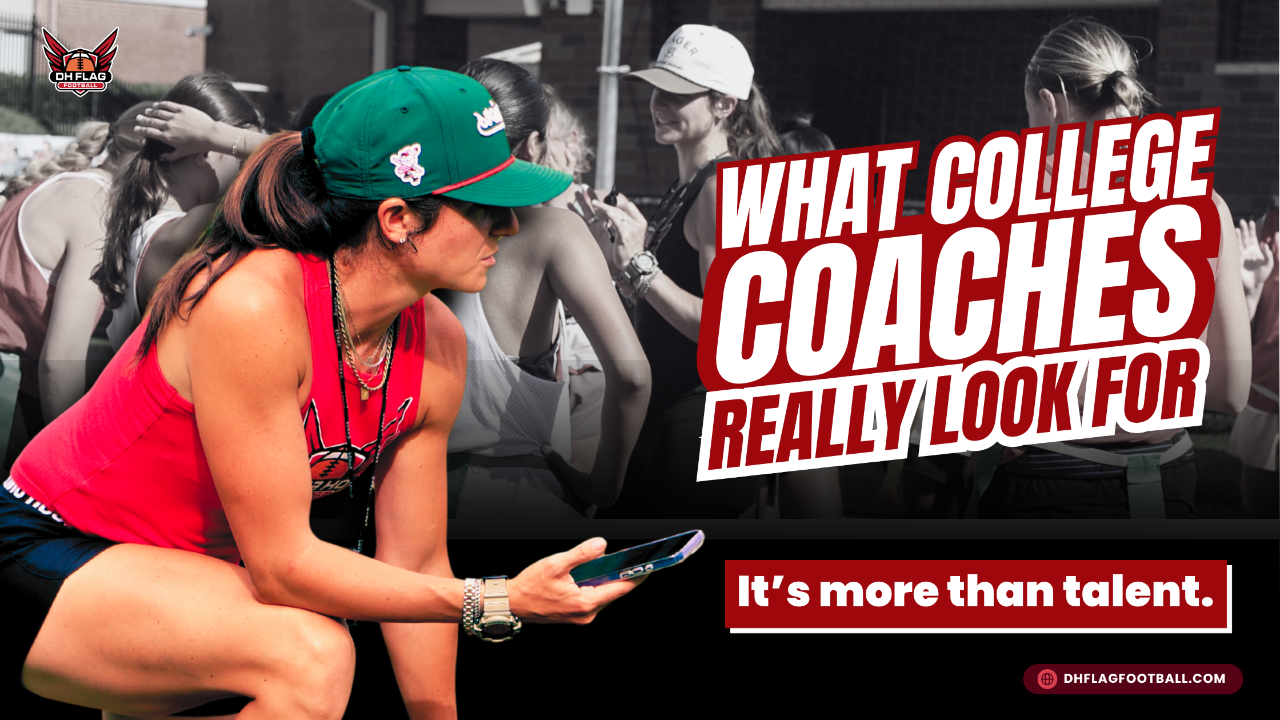
College flag football recruiting is changing fast, and most athletes are preparing for the wrong things. They polish their highlight reels, chase followers, and grind on their speed and footwork. All of that matters. But when you sit down with the coaches actually building Division I programs, a different picture emerges. The traits that earn an athlete a roster spot often have nothing to do with what shows up on a highlight reel at all.
In an in-depth interview, Coach Dakota sat down with Cal Poly's Division I flag football coaches for an honest, behind-the-curtain conversation about how elite programs evaluate talent. What they shared should reshape how every serious athlete, parent, and coach approaches the recruiting process. Below is a breakdown of the most important takeaways, and what they mean for the next athlete hoping to play at the college level.
What College Flag Football Coaches Look For Beyond Talent
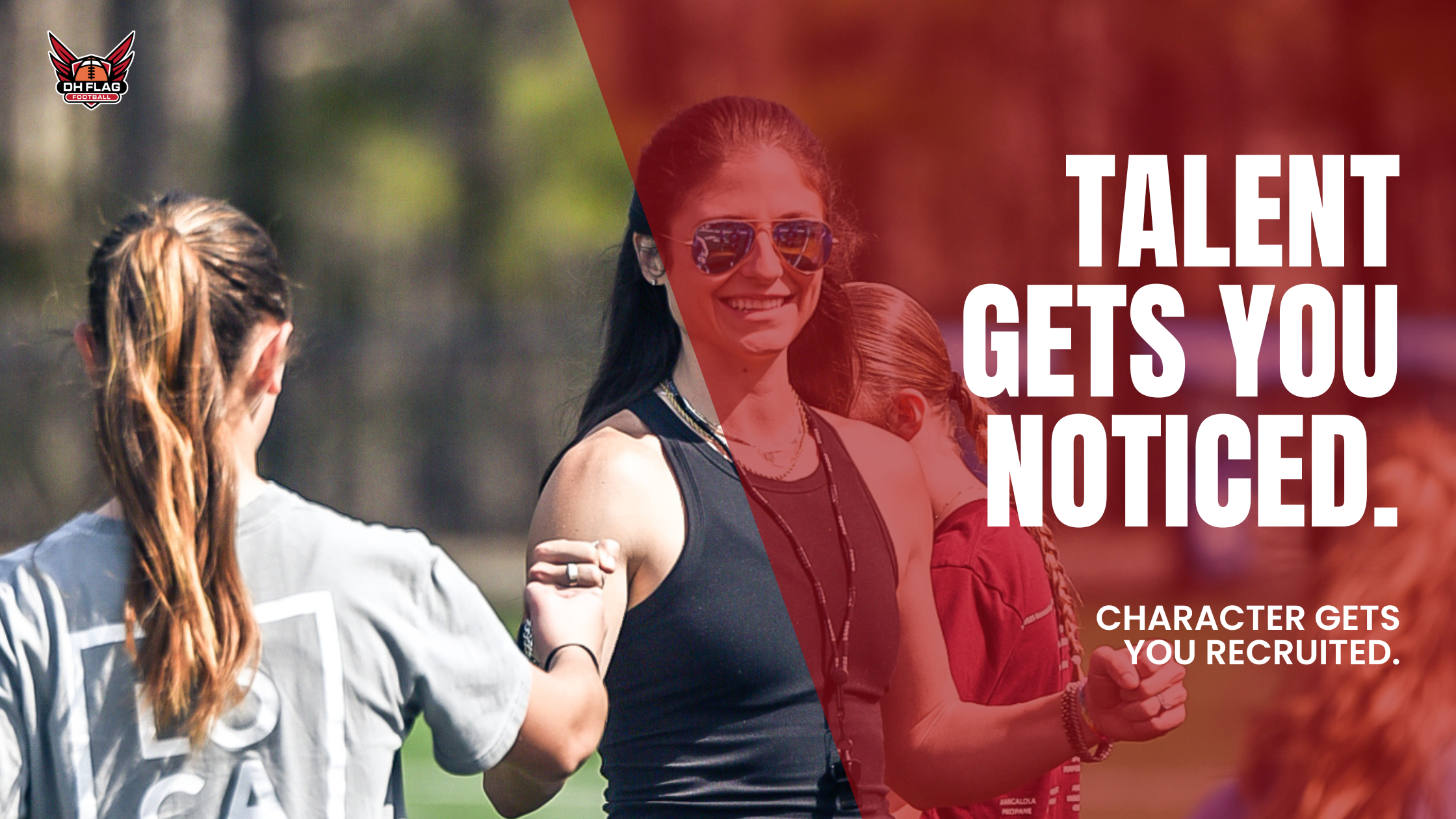
The coaches were direct about it: you can have all the talent in the world, but if you have a poor attitude and you don't work hard, you won't last very long. Talent gets you in the door. Character is what keeps you in the program once you're there. That distinction matters, because so much of how athletes prepare for recruiting assumes the opposite, that the most physically gifted player always wins the spot.
What these coaches evaluate goes far beyond athletic ability. They're watching the things a recruiting video will never capture. How does an athlete walk into practice? What is their body language when a drill isn't going their way? Do they lift teammates up, or are they only focused on highlighting themselves? When a teammate makes a great play, are they genuinely happy about it? Those small, unscripted moments tell a college coach more about an athlete's future than any single rep on film.
For these coaches, the answers to those questions carry as much weight as a forty time. An athlete can be the fastest player on the field and still get passed over if the intangibles don't line up. And an athlete with strong fundamentals and elite character can leap ahead of more naturally gifted peers because coaches know they can build something lasting around that kind of player.
The “And” Standard, Not the “Or” Standard
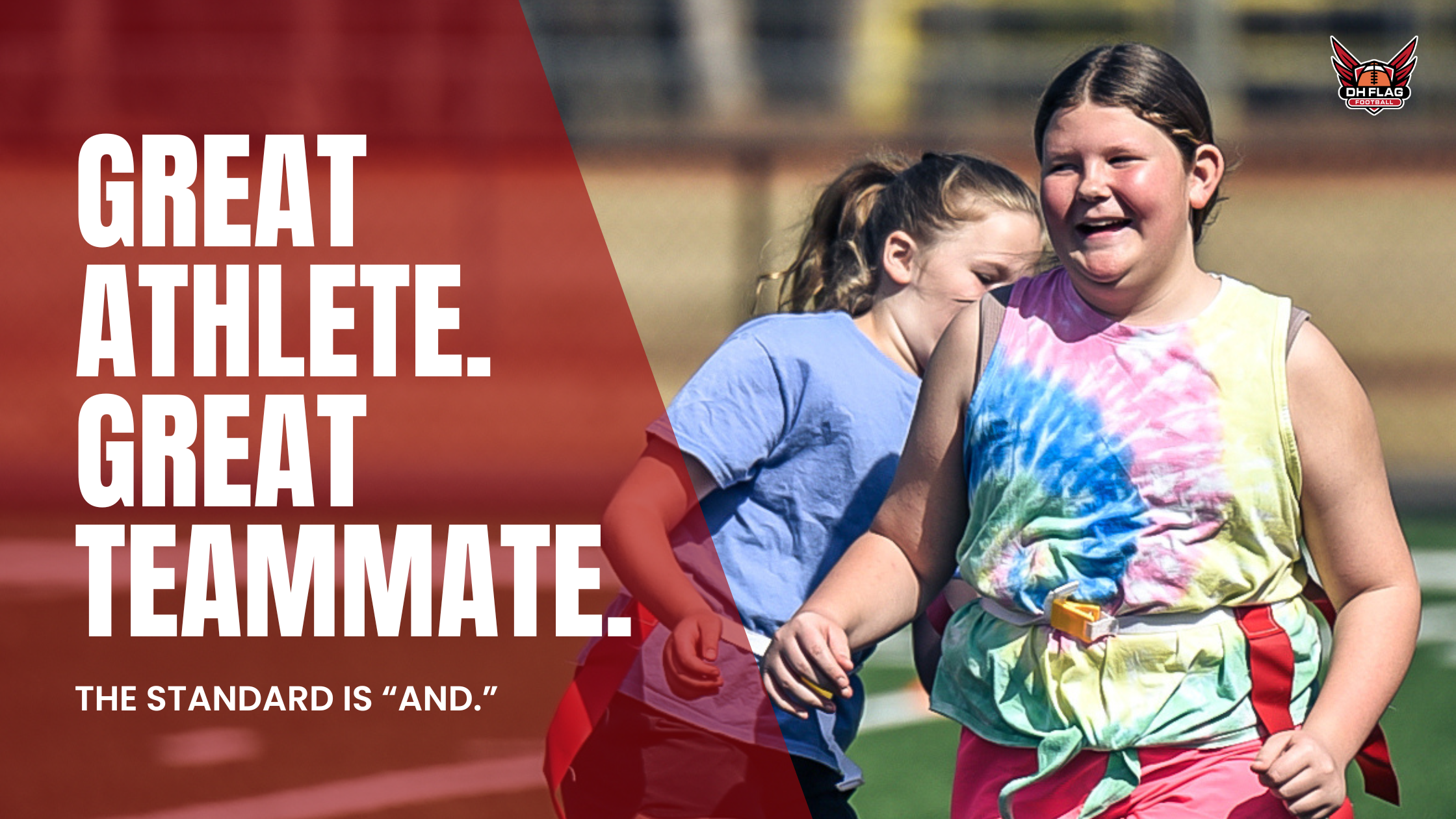
One of the most important ideas from the entire interview was the coaches' refusal to compromise. They don't want what they called an “or” program, where you settle for a great athlete or a great teammate, a fierce competitor or a strong student. They recruit for “and.” They want athletes who are exceptional on the field and exceptional people off it. They want fierce competitors who are also great teammates, elite players who are also serious students.
That standard isn't just talk. It's the reason they were able to sign some of the top-ranked players in the country before their program had ever played a single game. With no track record and no history to point to, they couldn't sell wins. What they could offer was a clear identity and a culture worth joining, and the athletes who said yes weren't only elite, they were humble, team-first, and genuinely focused on growing the game for the next generation.
For an athlete reading this, the lesson is straightforward but demanding: don't choose between being great and being good. Pursue both. The programs you most want to play for are looking for exactly that combination, and very few athletes actually deliver it.
Why the Intangibles Win in the Long Run
It's tempting to think of attitude and effort as “soft” qualities, the things coaches say when they're being polite. But the coaches framed them as the opposite, the hard, decisive factors that separate athletes whose careers stall from those whose careers climb. Entitlement, they noted, can quietly creep into high-level athletics, especially as athletes accumulate accolades and attention. The athletes who avoid it, who keep working and keep serving their team no matter how decorated they become, are the ones who keep getting opportunities long after others have plateaued.
There's a long-term logic to this that every family should understand. A college coach is not recruiting an athlete for a single highlight. They're investing years into developing that athlete and trusting them to represent the program in front of teammates, faculty, opponents, and recruits who come after. A player who elevates the room every day compounds in value over four years. A player who drains it, no matter how talented, becomes a problem that grows. Coaches have watched this pattern play out enough times that they weight character heavily precisely because they're thinking about year three and year four, not just the first impression.
This is good news for families, because intangibles are coachable. Speed and size have ceilings set partly by genetics. Work ethic, coachability, humility, and the willingness to be a great teammate are choices an athlete can make every single day. An athlete who commits to those choices is, over time, building the exact profile college coaches are searching for, regardless of where they start athletically. It is one of the few areas of the recruiting process almost entirely within a young athlete's control.
The Role Parents Play Without Realizing It
One theme that runs underneath the entire recruiting conversation is the influence of the home. The coaches spoke about evaluating not just the athlete but the family environment around them, because so much of an athlete's character is formed and reinforced there. The way an athlete talks about their current coaches and teammates, how they handle a recruiting visit, whether they say thank you, whether they take ownership or make excuses, all of it offers a window into the values they were raised with.
For parents, this is both a responsibility and an opportunity. You don't need to be a football expert to help your athlete get recruited. You need to reinforce the habits coaches are looking for: gratitude, accountability, hard work, and respect for others. The athlete who has been quietly taught those things at home walks into every camp and every conversation with an advantage that no amount of training alone can manufacture. Coaches can feel the difference within minutes of meeting a recruit, even if they can't always put it into words.
What This Means for Coaches, Parents, and Athletes
If you're a coach, this is a reminder to develop the whole athlete and not just the skill set. The drills and schemes matter, but so does the culture you build around them. The athletes you send to the next level will be judged on character as much as ability, so coaching that character is part of preparing them to be recruited.
If you're a parent, this is a roadmap for how to help your athlete stand out for the right reasons. Encourage the habits that don't show up on film: showing up early, supporting teammates, handling adversity with maturity, taking academics seriously. Those habits aren't a distraction from getting recruited. They are the thing that gets recruited.
And if you're an athlete, take the pressure off the highlight reel for a moment. Your film matters, but it isn't the whole story. The way you carry yourself when no one is editing the footage is what college coaches are really trying to see. Build that, and you build something no competitor can copy.
How an Athlete Can Start Standing Out Today
If all of this feels abstract, here is how it becomes practical. Tomorrow at practice, be the first one ready and the last one complaining. When a teammate makes a mistake, be the voice that picks them up rather than the one that piles on. When a coach corrects you, respond with a nod and an adjustment instead of a defensive excuse. Take one academic class you've been coasting in and decide to take it seriously. None of these are dramatic, and that's the point. Recruiting-grade character is built out of unremarkable daily choices repeated until they become identity.
Over months and years, those choices accumulate into a reputation. Coaches talk to each other. Club coaches, high school coaches, and college recruiters share notes, and the athlete known as a great competitor and a great teammate develops a quiet momentum that opens doors. The highlight reel gets you a first look, but the reputation built on character is what turns that look into an offer. In a sport growing as fast as flag football, where new programs are forming and the talent pool is still taking shape, that kind of reputation is worth more than ever, and the athletes who build it now will be the ones programs compete to sign.
Hear the Full Breakdown
This is only a fraction of what Cal Poly's coaches shared. In the complete 75-minute interview, they go deep on their entire recruiting philosophy, the real stories behind the athletes they signed, how they built their program from nothing, and what separates the athletes who get recruited from the ones who get passed over.
Watch the full D1 coaches interview free →
Enter your name and email and the full interview arrives in your inbox within minutes. No cost, no catch, just the entire conversation start to finish.
- Coach Dakota
Stay connected with news and updates from DH Flag Football!
Join our mailing list to receive the latest news and updates from our team.
Don't worry, your information will not be shared.
We hate SPAM. We will never sell your information, for any reason.